Do You Need Mold Testing Before Mold Removal?
Do You Need Mold Testing Before Mold Removal? A Practical Sioux City Homeowner Guide
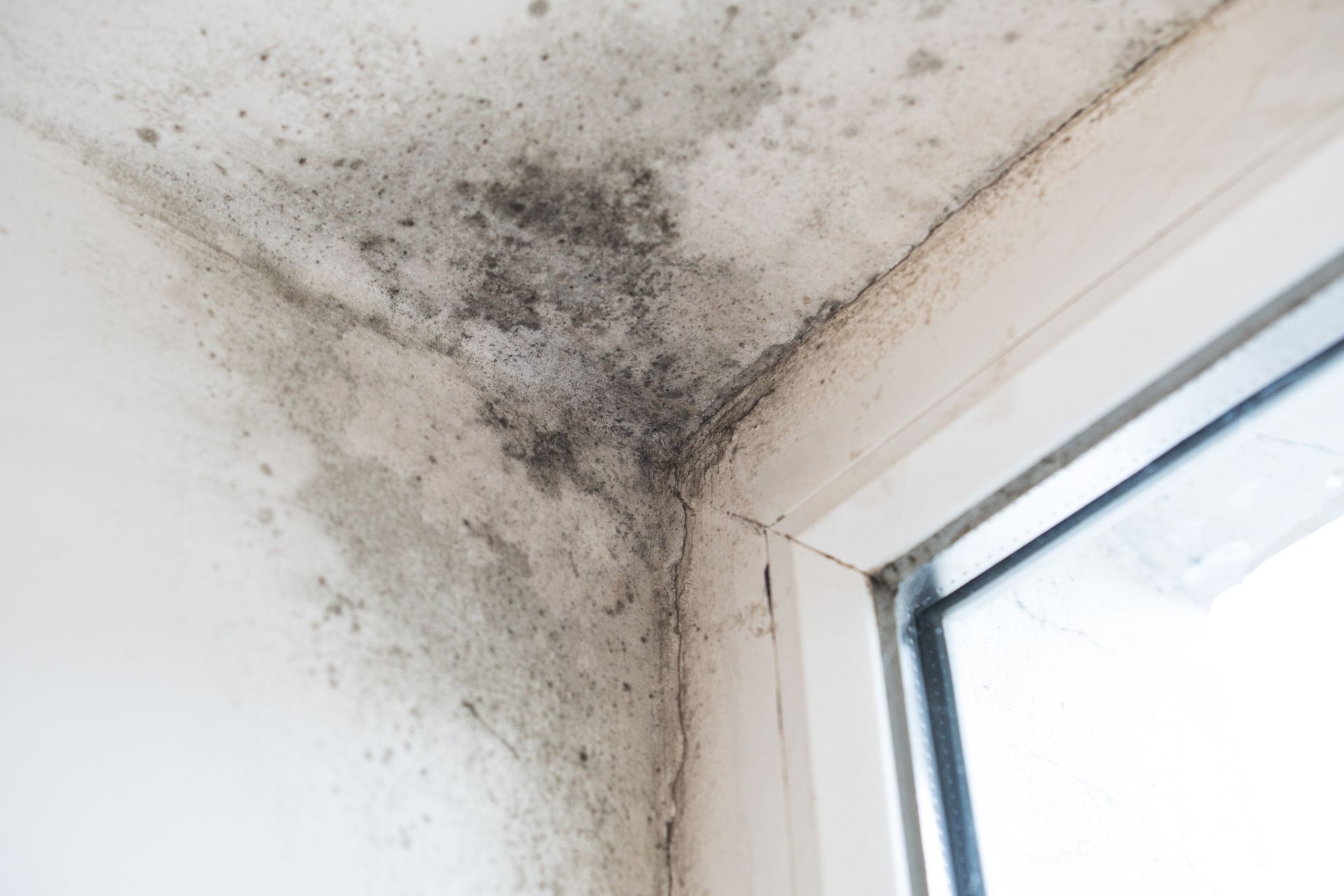
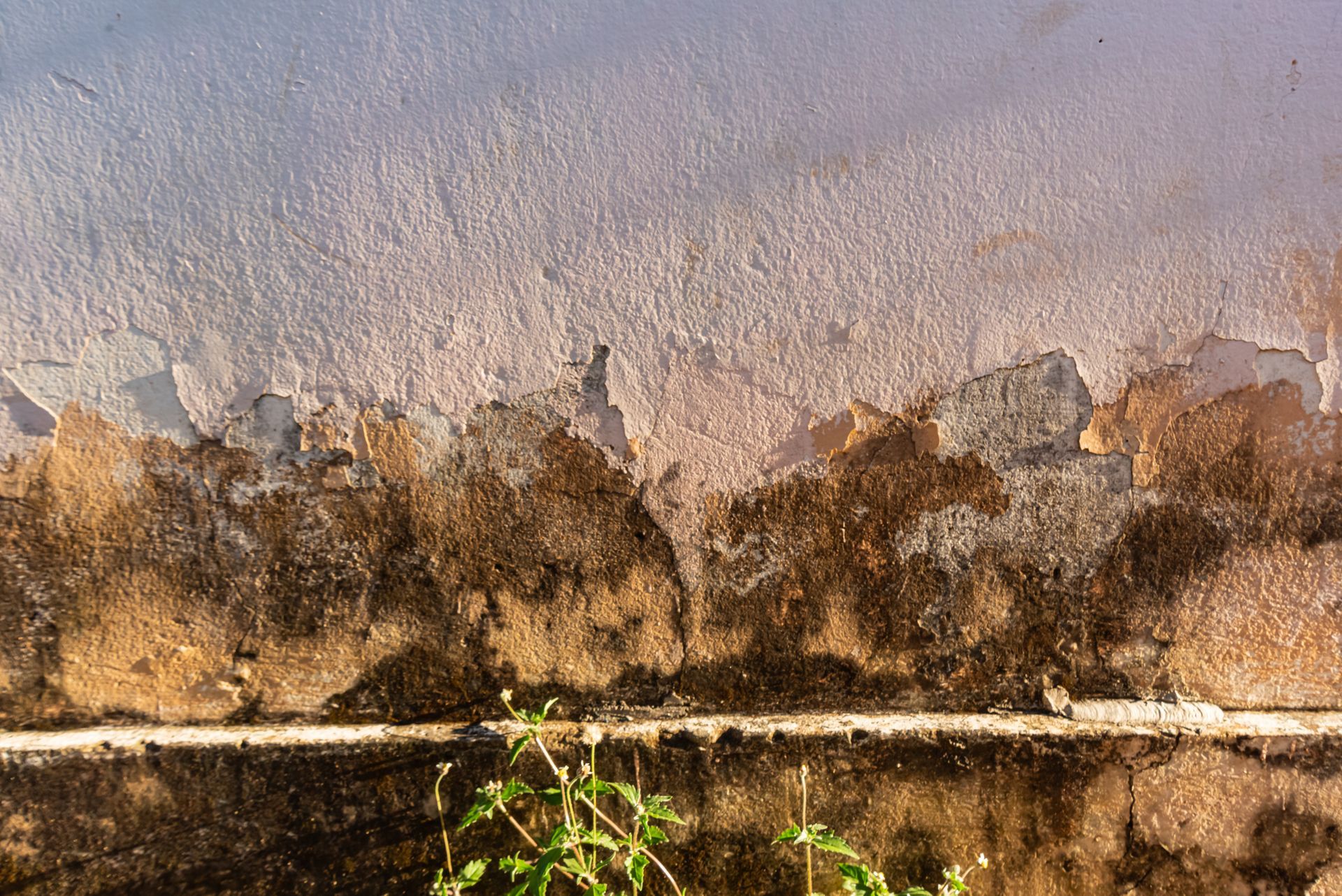
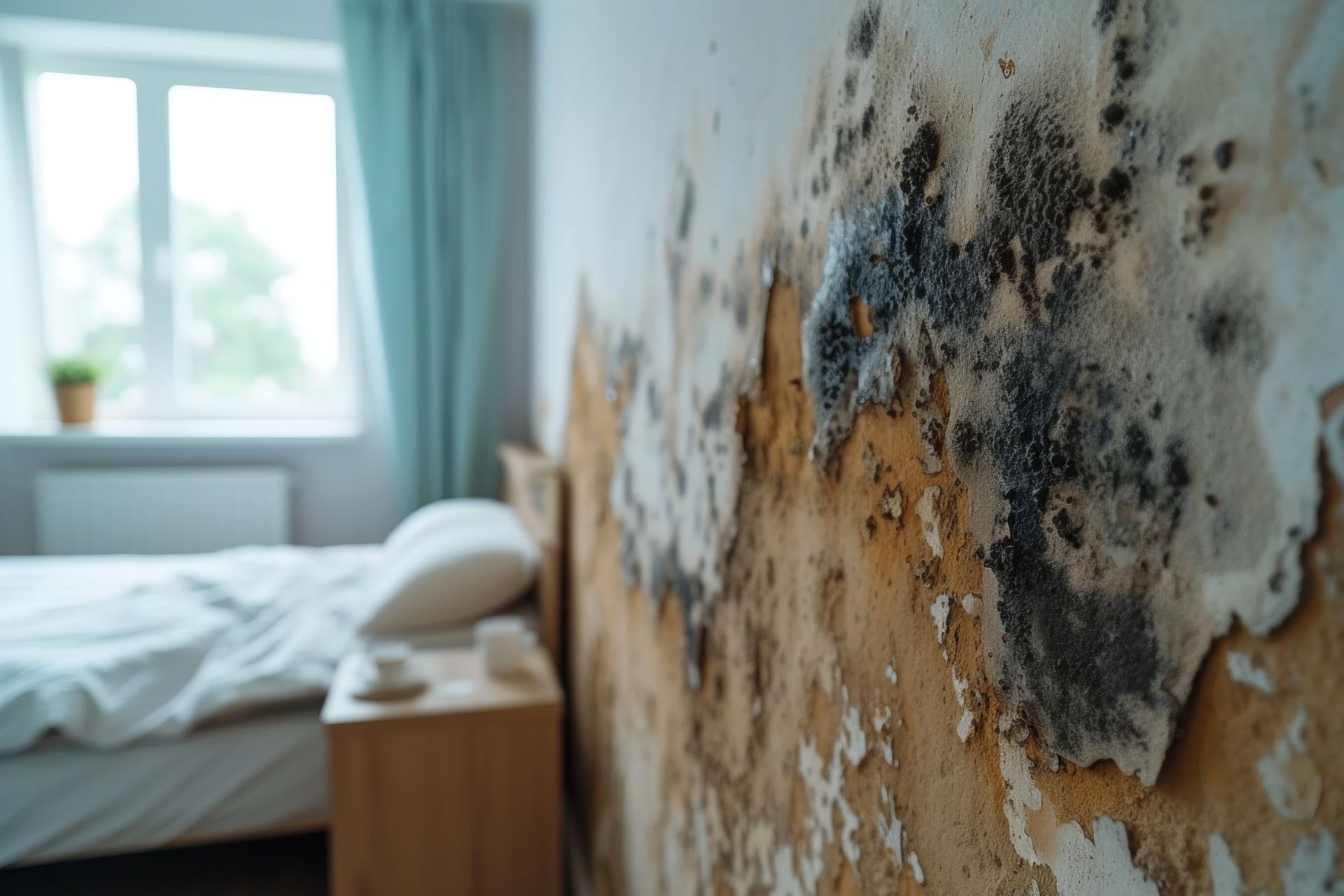
If you’ve noticed a musty smell, recurring allergies at home, or visible spots on drywall, it’s natural to wonder: Do I need mold testing before remediation? The honest answer is: sometimes. Testing can be useful, but it’s not always required to begin responsible mold removal—especially when the mold is visible and the moisture source is clear.
Siouxland Restoration Inc. addresses this question directly and outlines common signs that indicate testing may be helpful before remediation.
When mold testing can be helpful
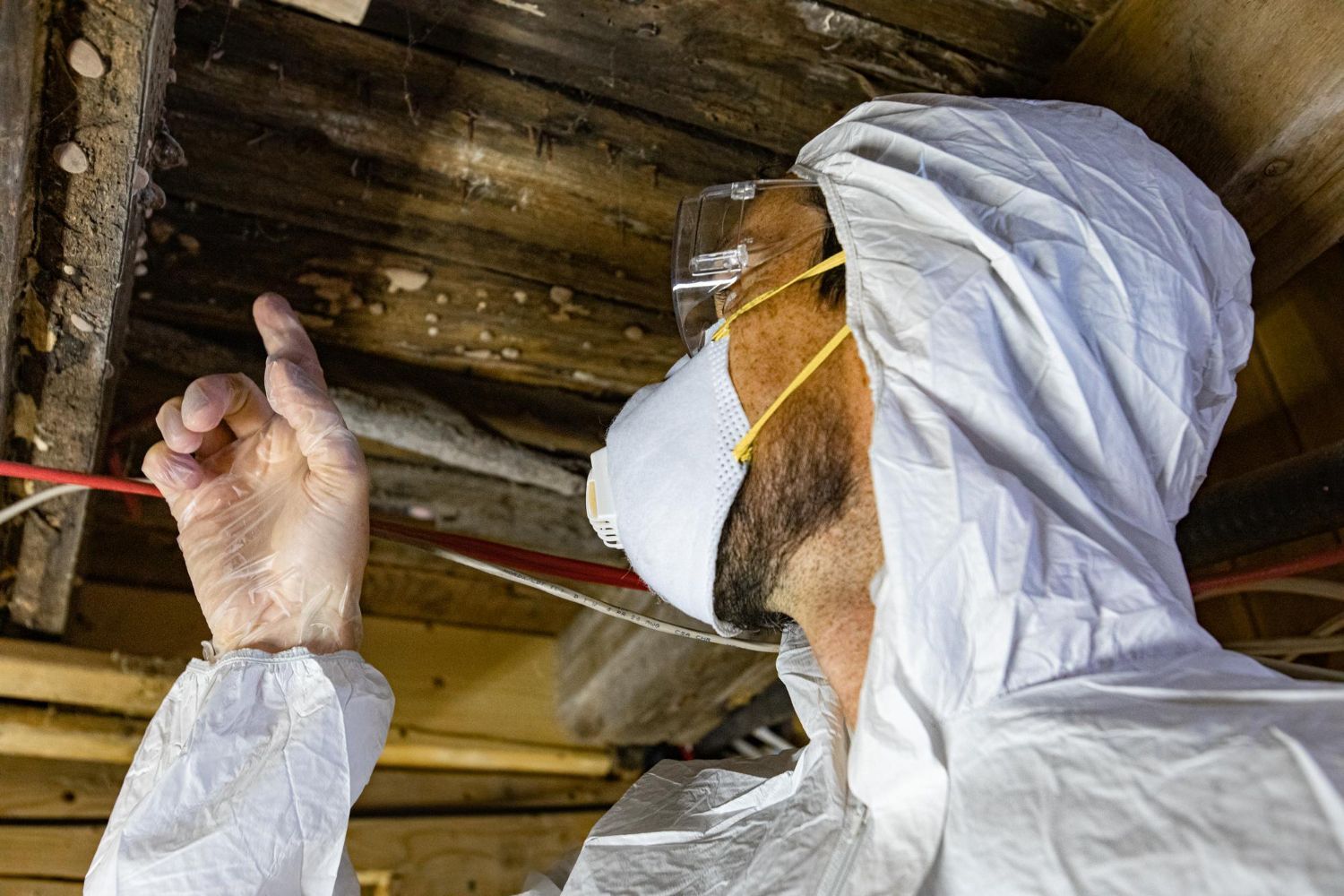
Mold testing is most useful when you need clarity about where the mold is coming from or how extensive the problem might be. Consider testing when:
- You have a strong musty odor but can’t find visible mold
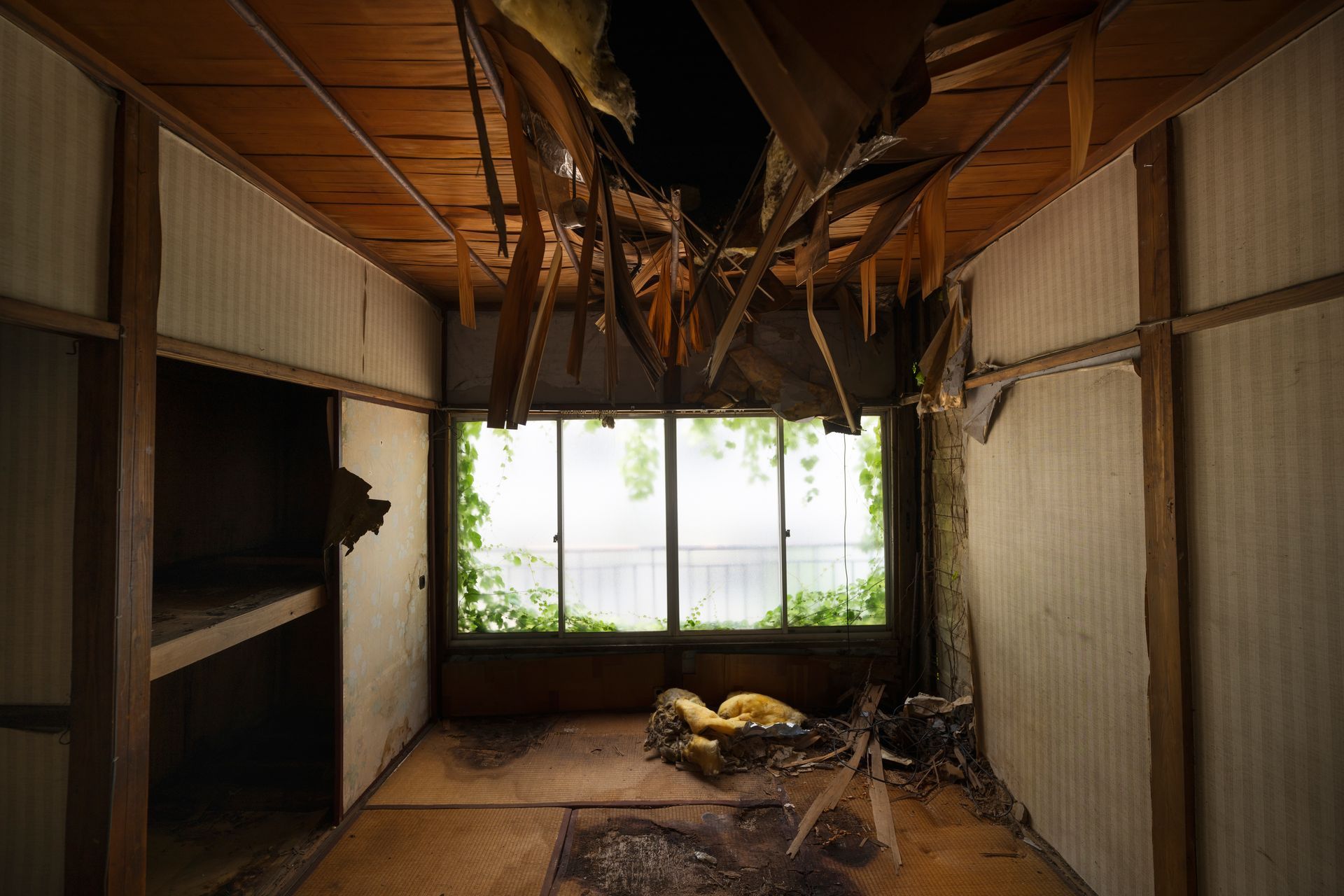
- You suspect mold is behind walls, under flooring, or in HVAC areas
- People in the home are experiencing unexplained respiratory issues, headaches, or irritation
- You want documentation (sometimes helpful during real estate transactions or insurance conversations)
Testing can help guide where remediation should focus—especially for hidden growth.
When testing may not be necessary
If mold is clearly visible and the cause is obvious (for example, a known leak or a recent water event), the priority is often:
- stopping the moisture
- containing the area
- removing impacted materials
- drying the structure thoroughly
In those cases, remediation can proceed based on conditions and visible evidence, without waiting on test results.
Why fast action matters after flooding or water damage
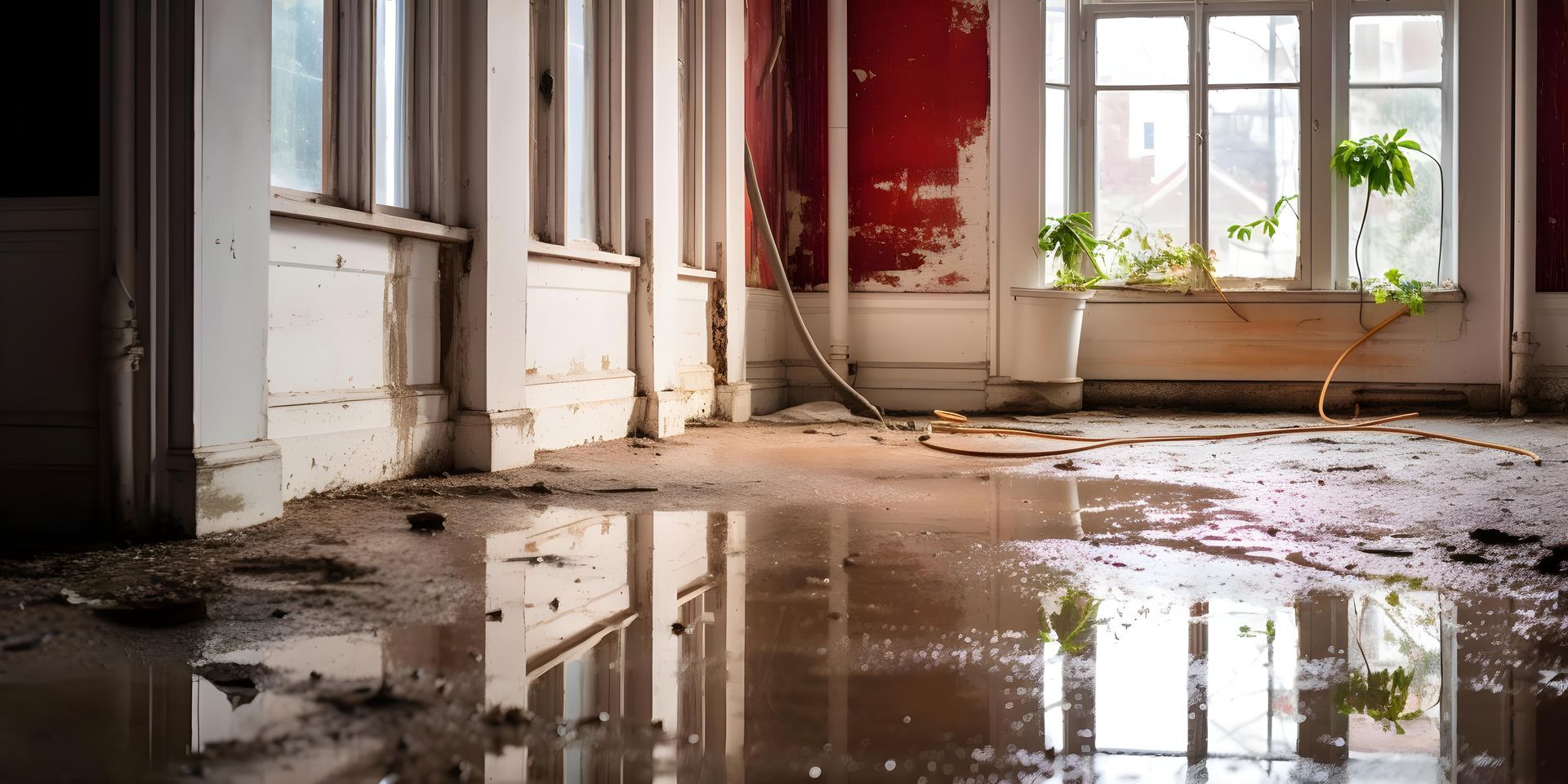
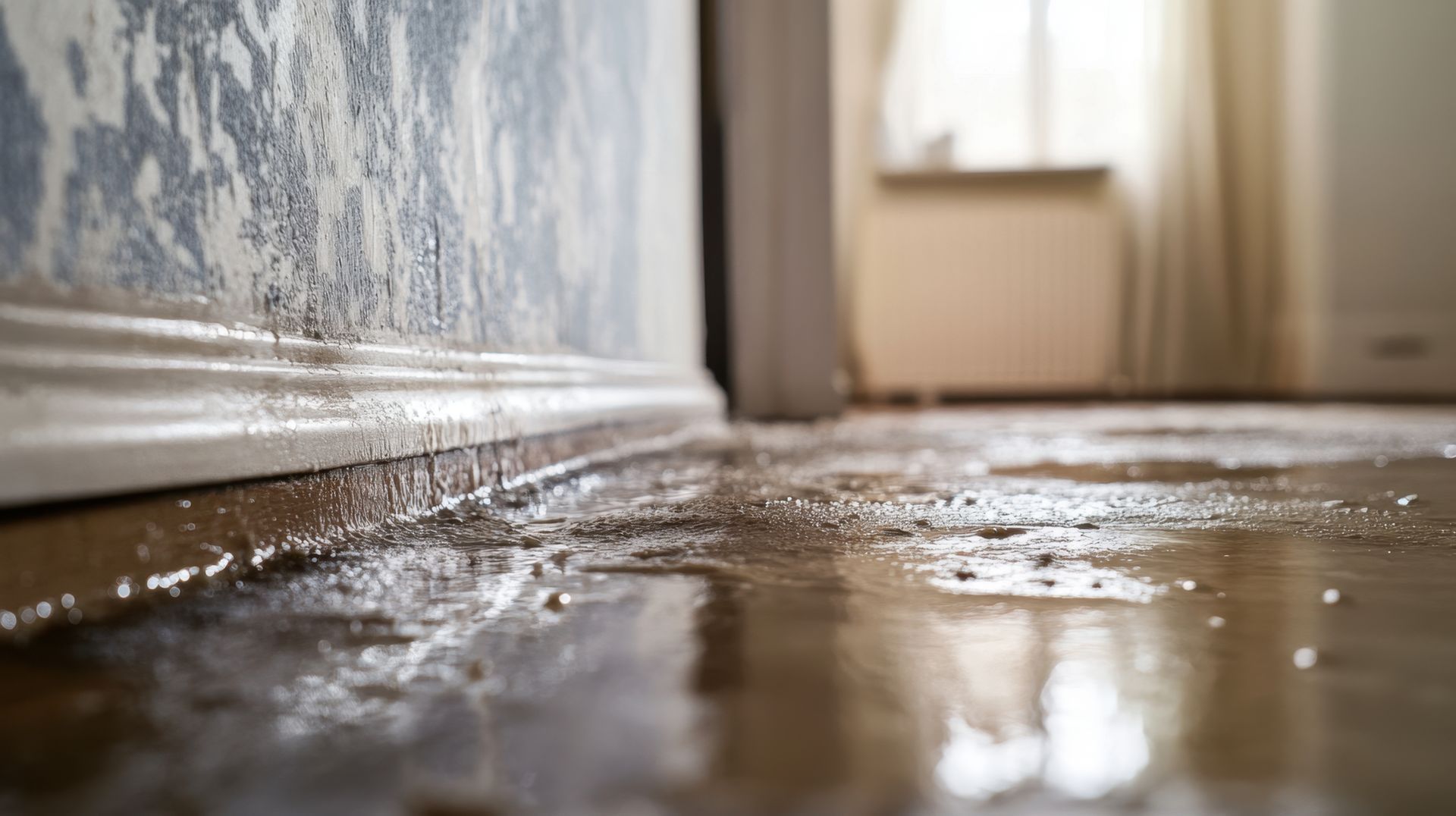
One reason mold problems escalate is because moisture lingers. Siouxland Restoration emphasizes that mold can become a serious risk after water events, which is why quick drying and cleanup are so important.
If your home has experienced:
- a flooded basement
- storm intrusion
- a burst pipe or overflow
- ongoing dampness in lower levels
…it’s smart to assume mold risk is elevated and act early
What a “done right” mold removal plan should include
A solid mold remediation plan should always include moisture control and prevention steps. Siouxland Restoration’s mold remediation page describes mold restoration as a process involving removal and remediation, with steps taken to prevent spread and make the structure safe. Their broader service pages also highlight moisture inspections/thermal imaging, direct insurance billing, and certified restoration capabilities.
Quick homeowner checklist
If you suspect mold in Sioux City, IA:
- ✅ Stop the leak/moisture source if it’s safe
- ✅ Avoid disturbing the area (no sanding, demo, or aggressive scrubbing)
- ✅ Take photos for documentation
- ✅ Get a professional moisture inspection and remediation plan