Why Fast Mold Removal Matters After Water Damage
Why Fast Mold Removal Matters After Water Damage
Sioux City, IA
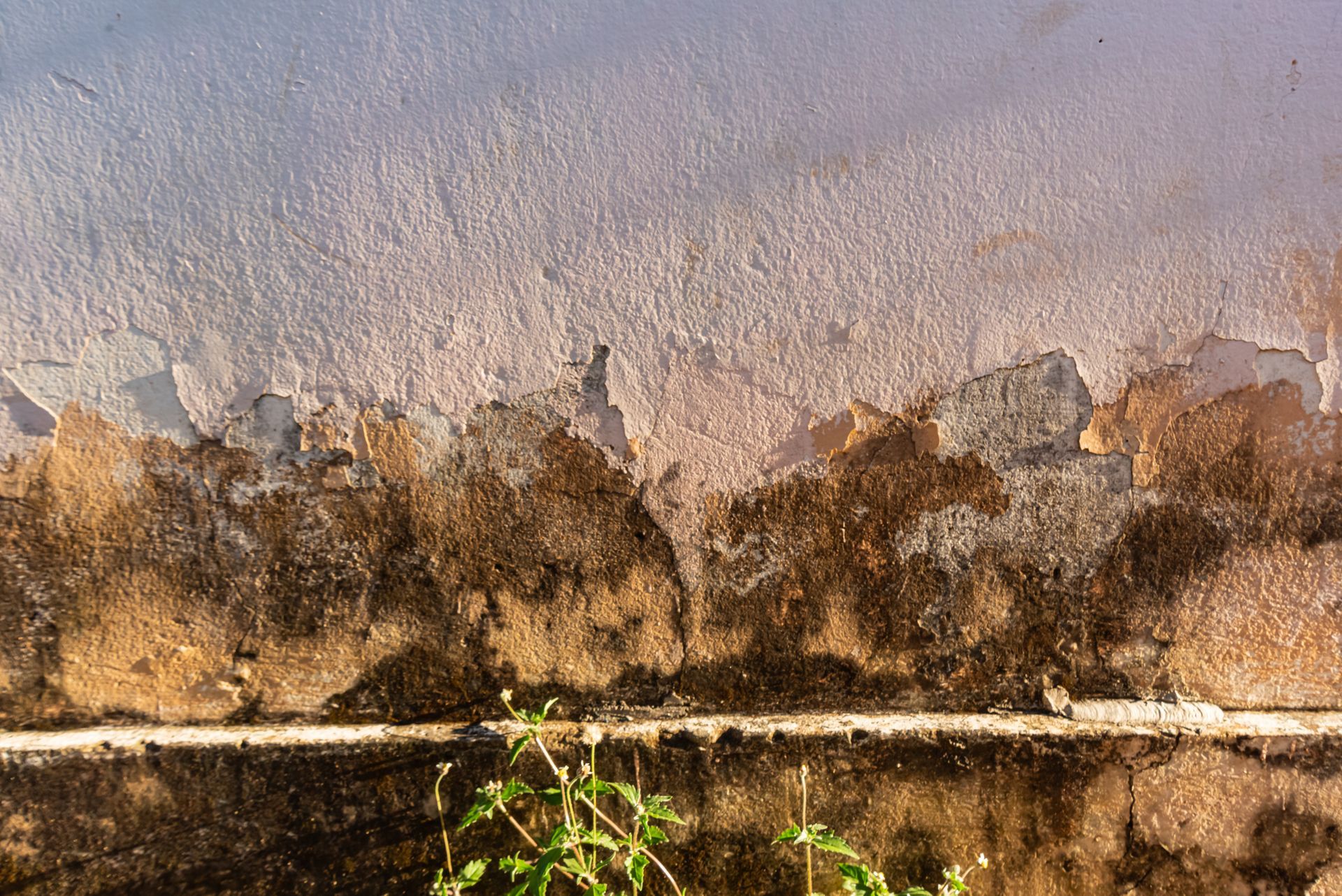
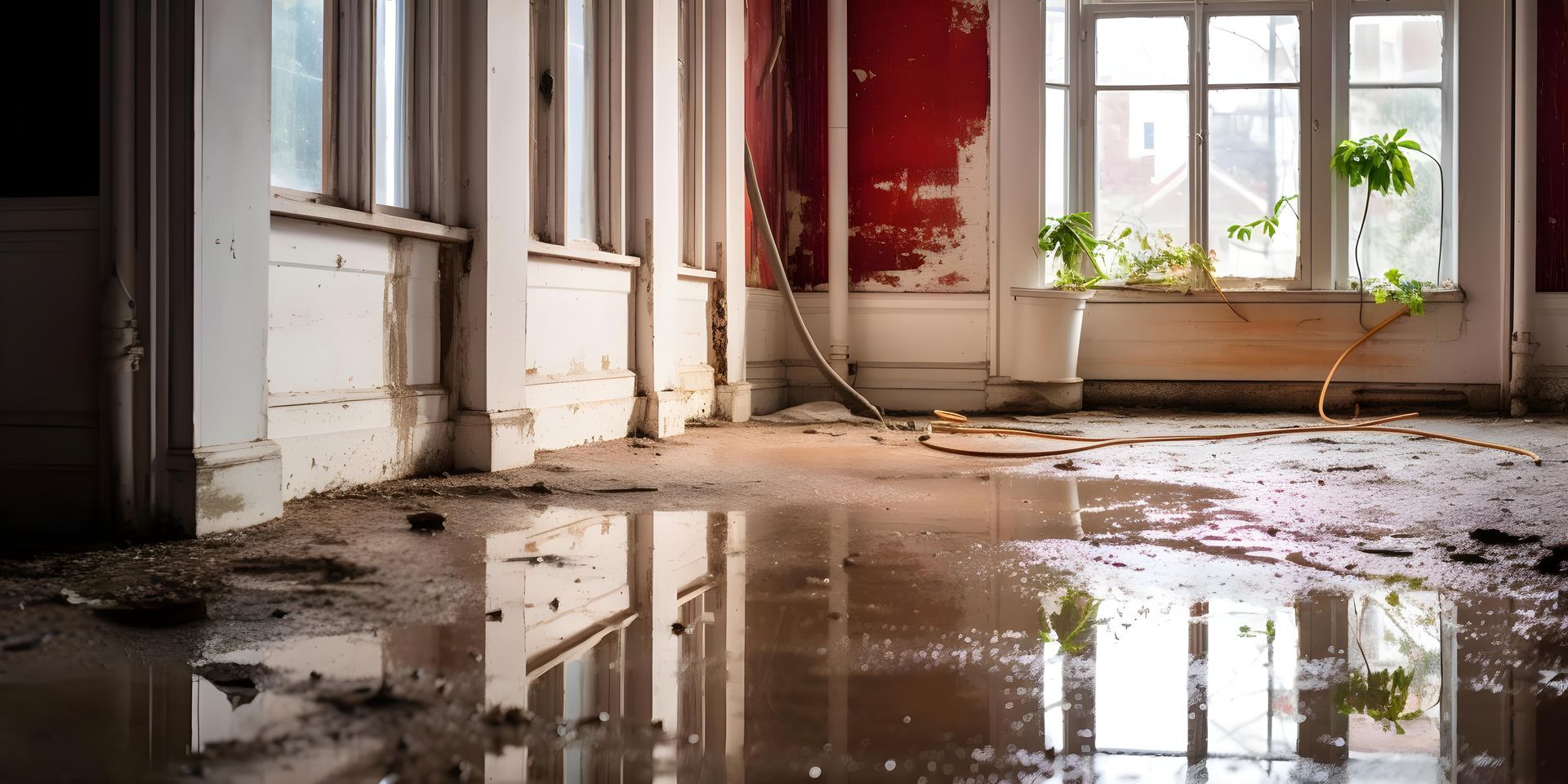
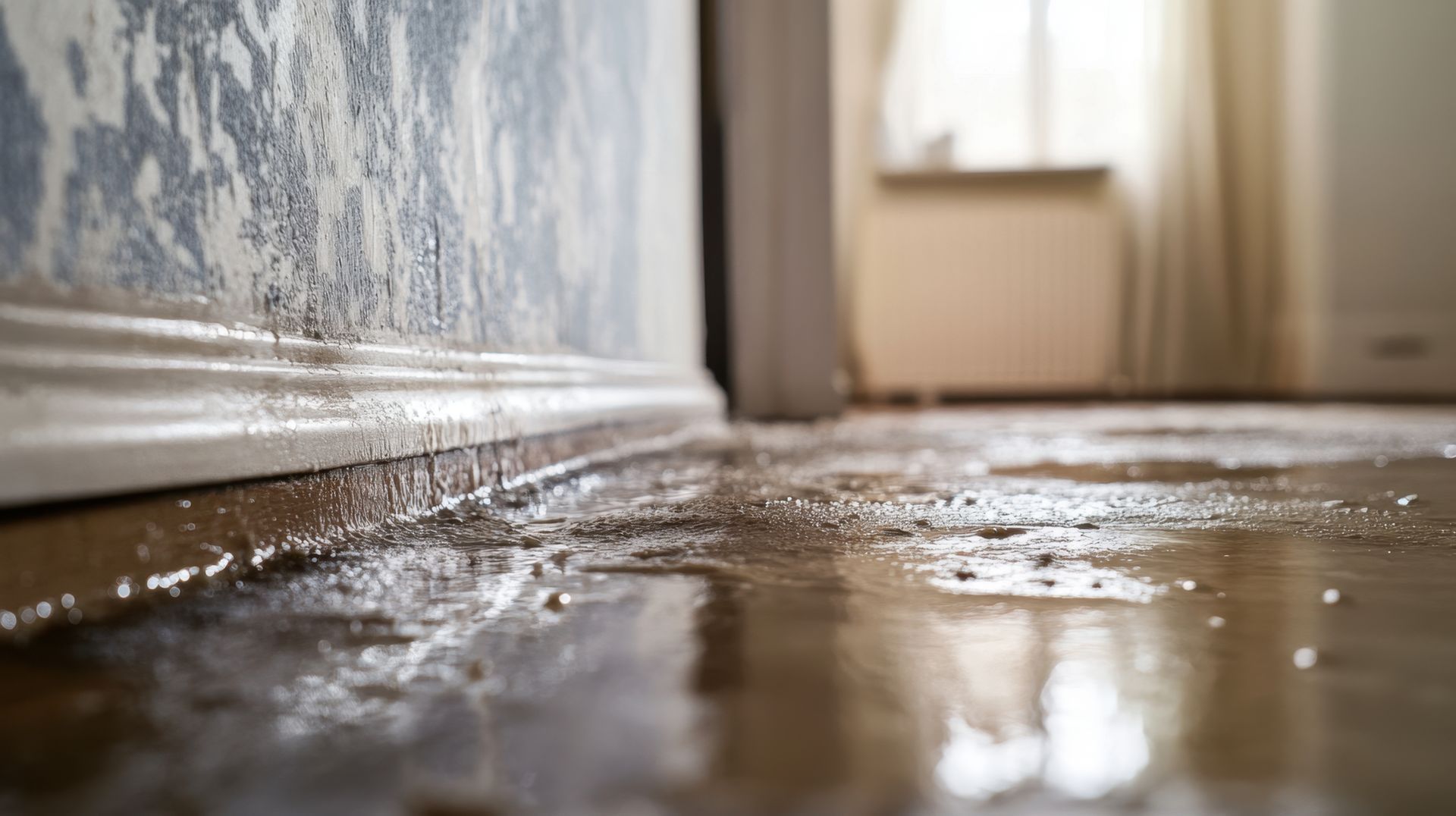
After water damage, most homeowners focus on drying out the property, removing wet materials, and getting life back to normal. But one of the biggest risks after a leak, flood, or overflow is what can happen next: mold growth. Mold can begin developing in damp conditions quickly, especially when moisture gets trapped behind walls, under floors, or inside insulation. That is why fast mold removal and moisture control are essential after any water damage event.
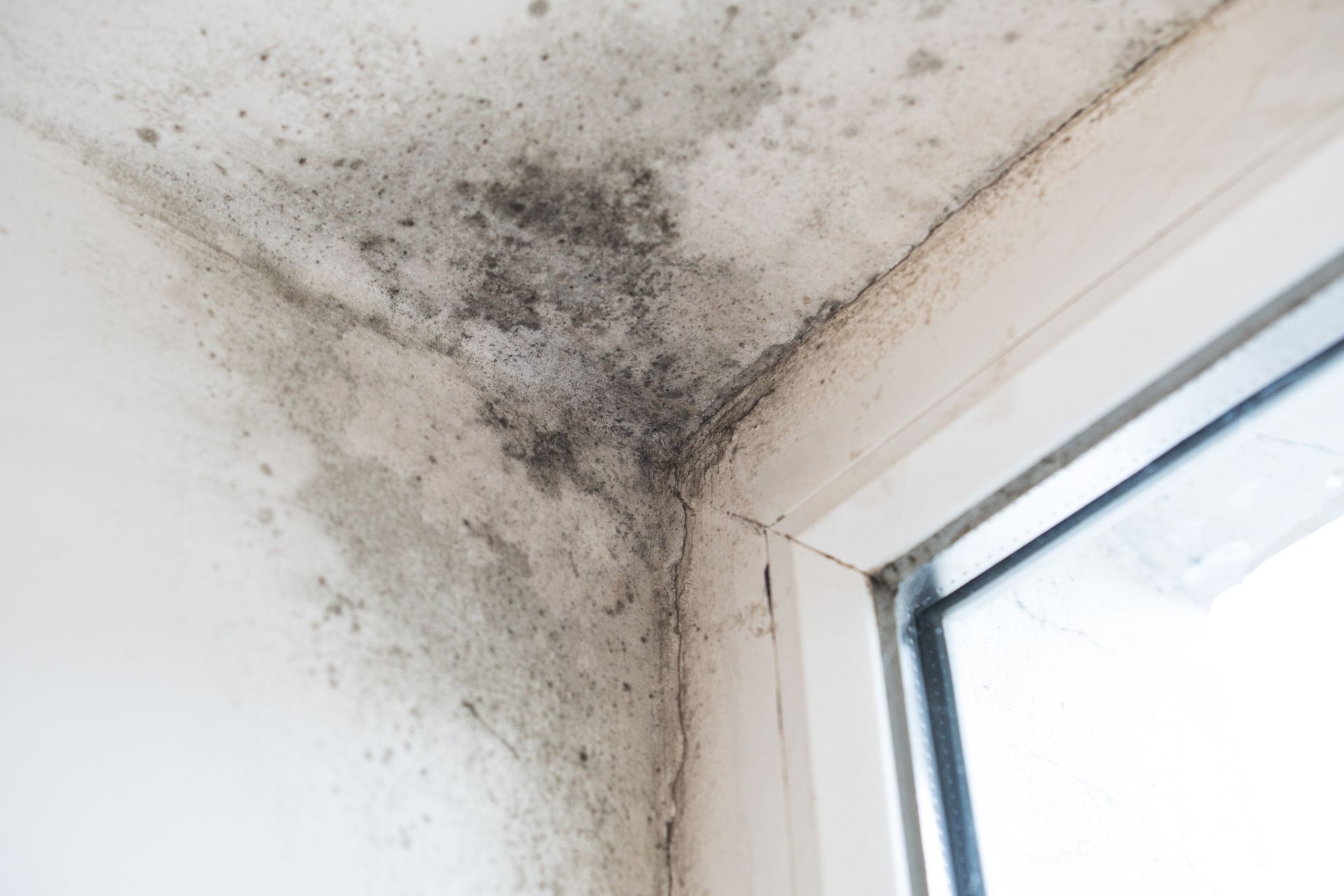
When excess water enters a home, it creates the perfect environment for mold to grow. Mold spores are naturally present in the air, and when they land on a damp surface with the right temperature and humidity, they can begin to multiply. Areas that stay wet for too long are especially vulnerable, including drywall, subflooring, carpeting, ceiling materials, wood framing, and personal belongings. Even if the visible water is cleaned up, moisture left behind can still create a serious problem.
One reason mold removal matters so much after water damage is because mold can spread far beyond the original affected area. A small plumbing leak behind a wall may start in one place, but mold spores can travel through the air and settle in nearby rooms. HVAC systems can also move spores through the property if the issue is not contained properly. The longer moisture remains, the more opportunity mold has to grow and impact a larger section of the home.
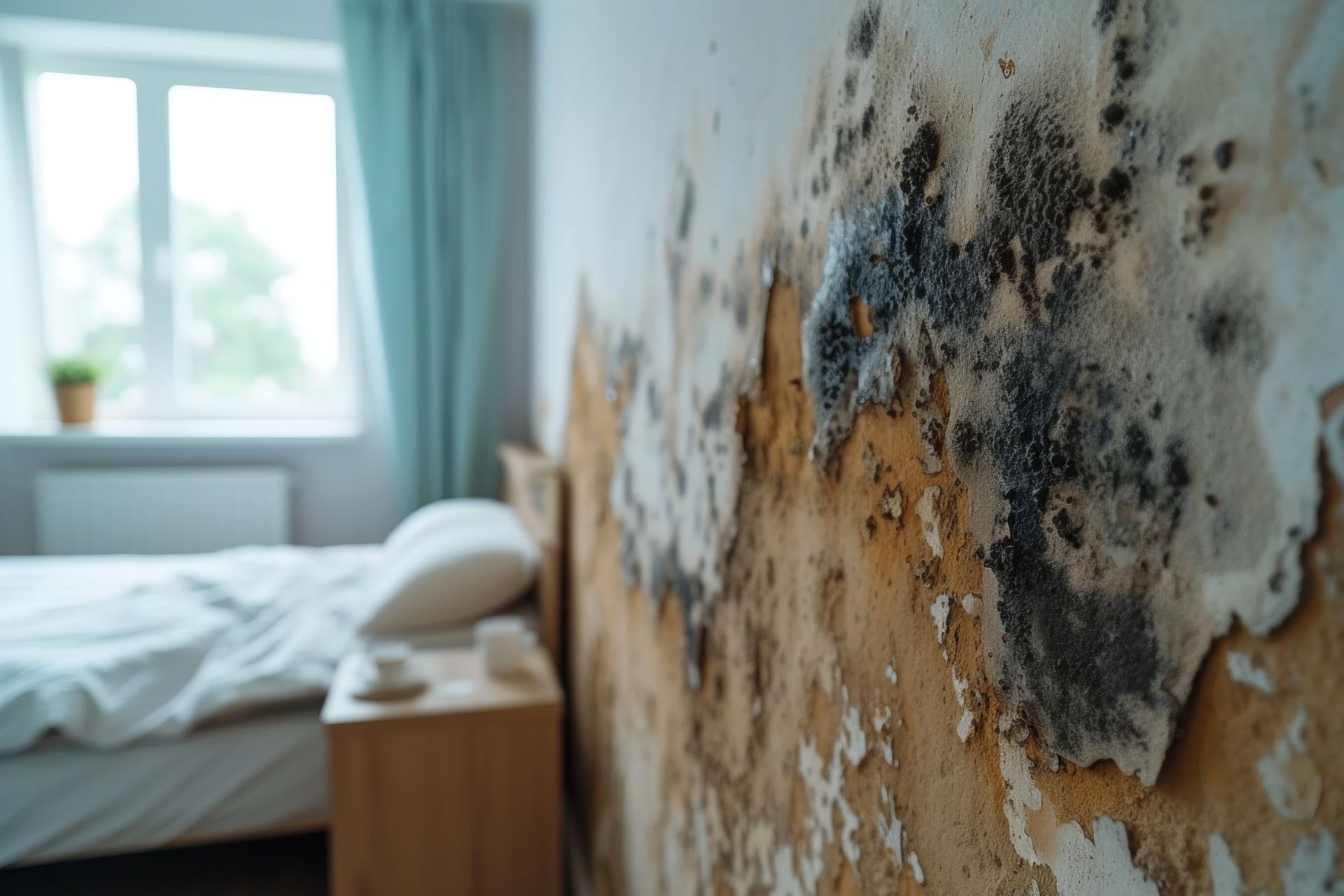
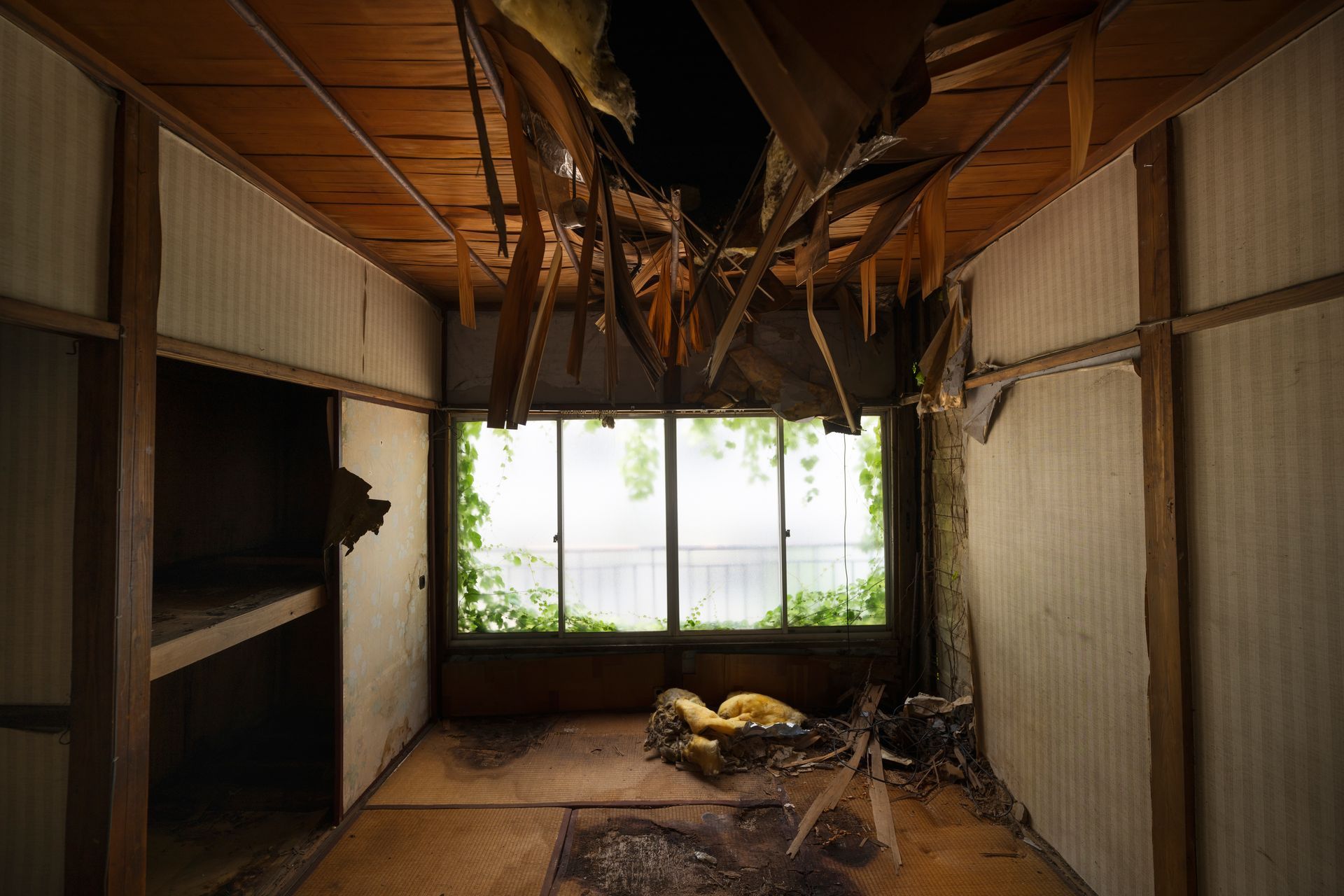
Mold growth can also increase the cost and complexity of restoration. What might have started as a manageable water cleanup can become a more involved repair project once mold affects drywall, insulation, wood, and flooring. In some cases, materials need to be removed and replaced entirely. Fast action helps reduce the extent of contamination, which can help save time, protect more of the property, and prevent further damage from developing behind the scenes.
There is also the concern of indoor air quality. Mold can release spores and particles into the air that may cause irritation or discomfort for people living in the home. Some occupants notice allergy-like symptoms, coughing, sneezing, or a lingering musty odor. These issues can become more noticeable in enclosed or poorly ventilated areas. Taking mold seriously after water damage is not only about protecting the structure of the property, but also about restoring a cleaner and more comfortable living environment.
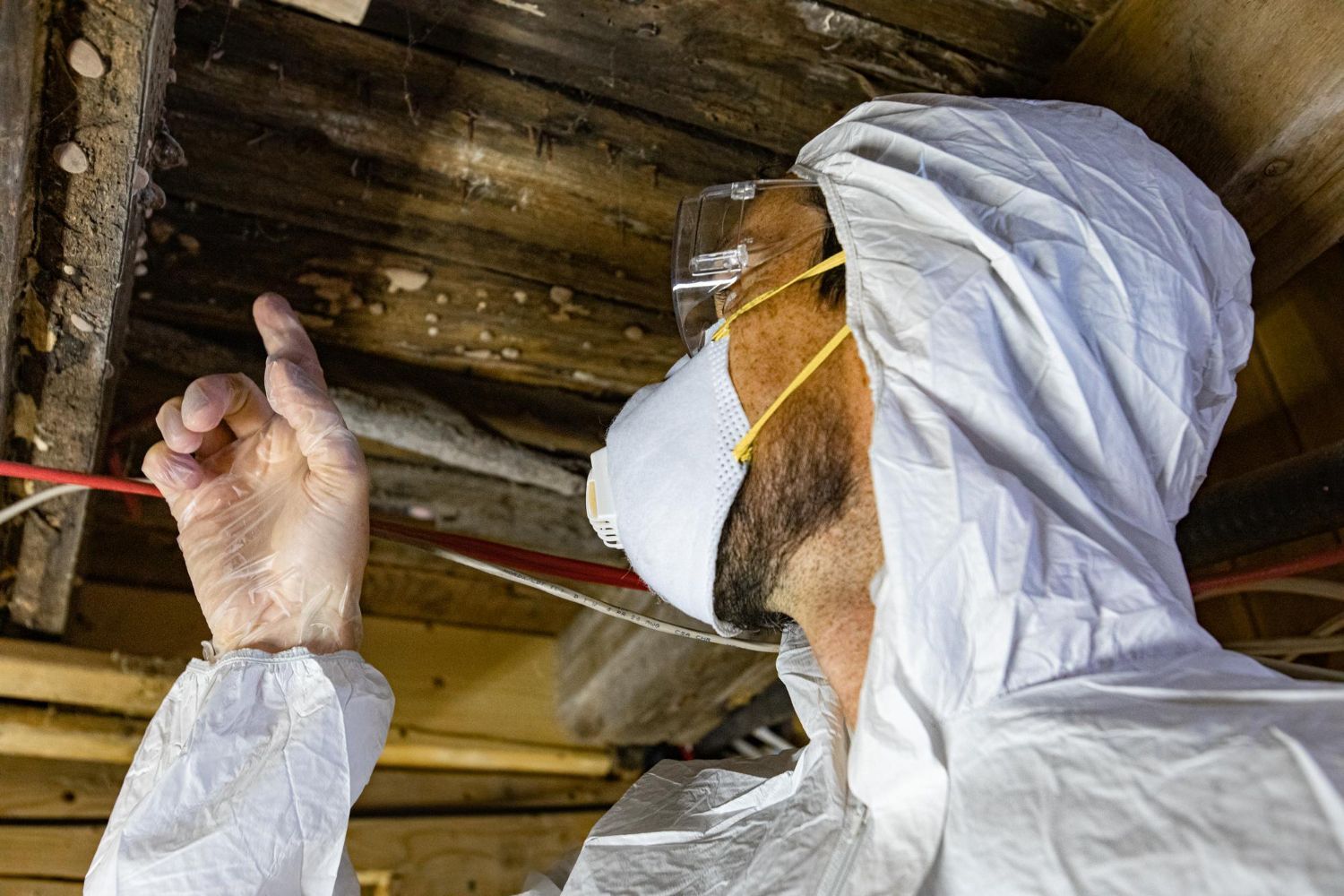
Professional mold removal after water damage involves more than just cleaning what is visible. The source of the moisture must be addressed, the affected area must be properly evaluated, and materials that cannot be restored may need to be removed. Drying equipment, containment procedures, and safe cleanup methods all play an important role in preventing mold from spreading further. A professional team can also inspect less obvious areas where moisture may have traveled.
At Restoration Siouxland, we help property owners respond quickly after water damage and take the right steps to reduce the risk of mold. From drying and cleanup to professional mold removal, our goal is to help restore your home as safely and efficiently as possible. If your property has experienced a leak, flood, or other water-related damage, acting quickly can make all the difference. Addressing mold early helps protect your investment and supports a healthier indoor space.