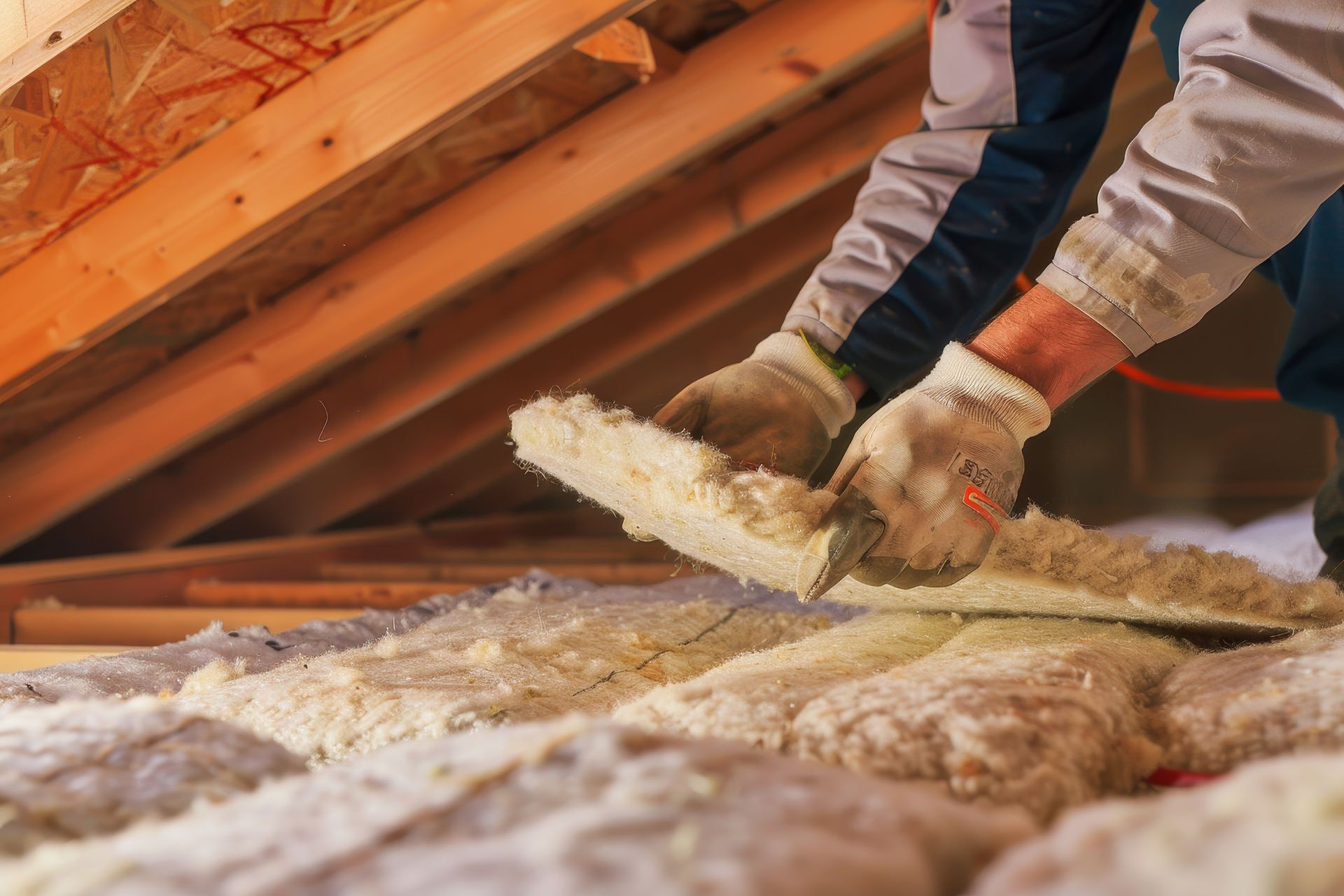
Water Damage in Sioux City Homes
Water Damage in Sioux City Homes — What to Do First, and Why Speed Saves Your Property
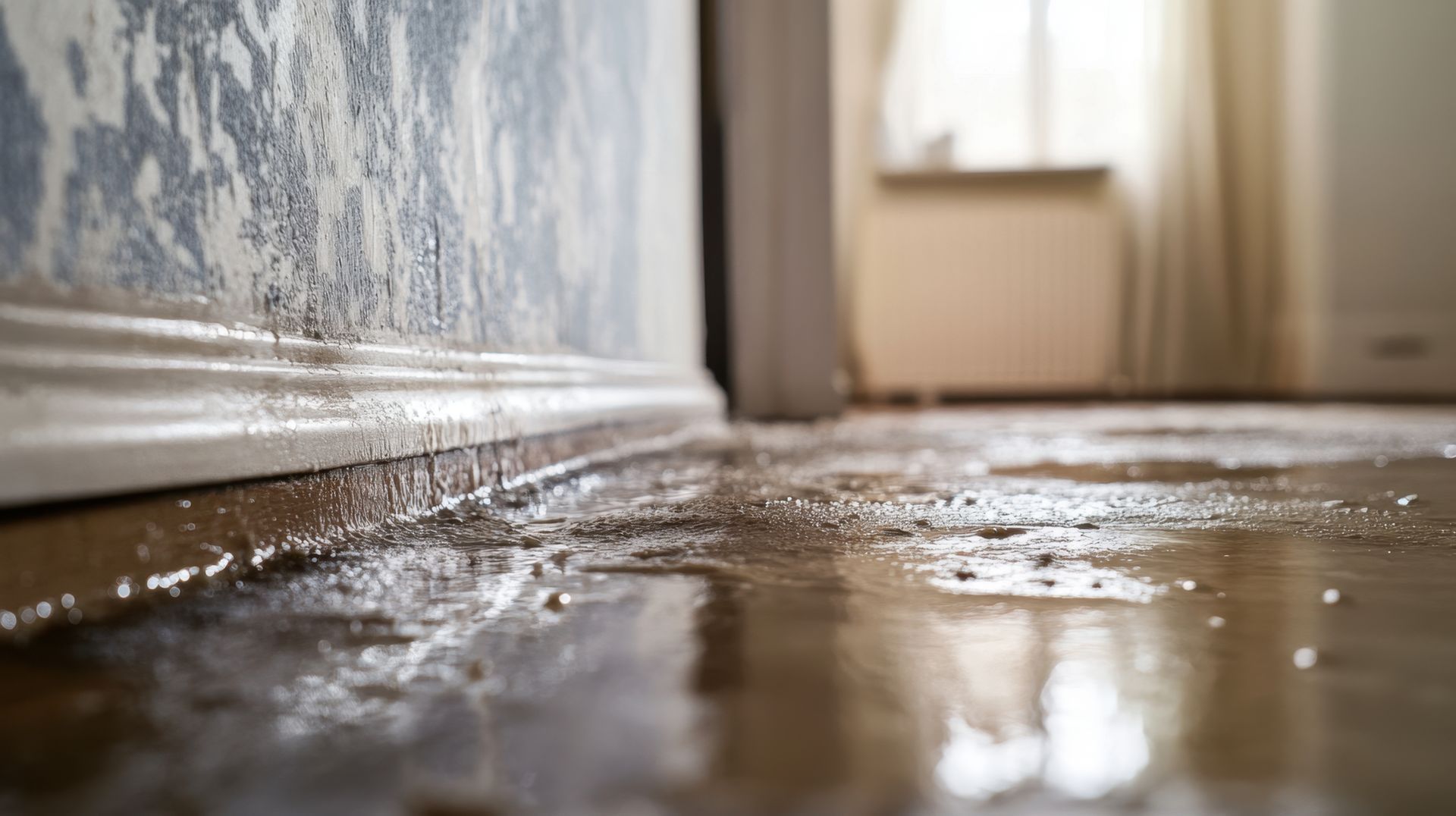
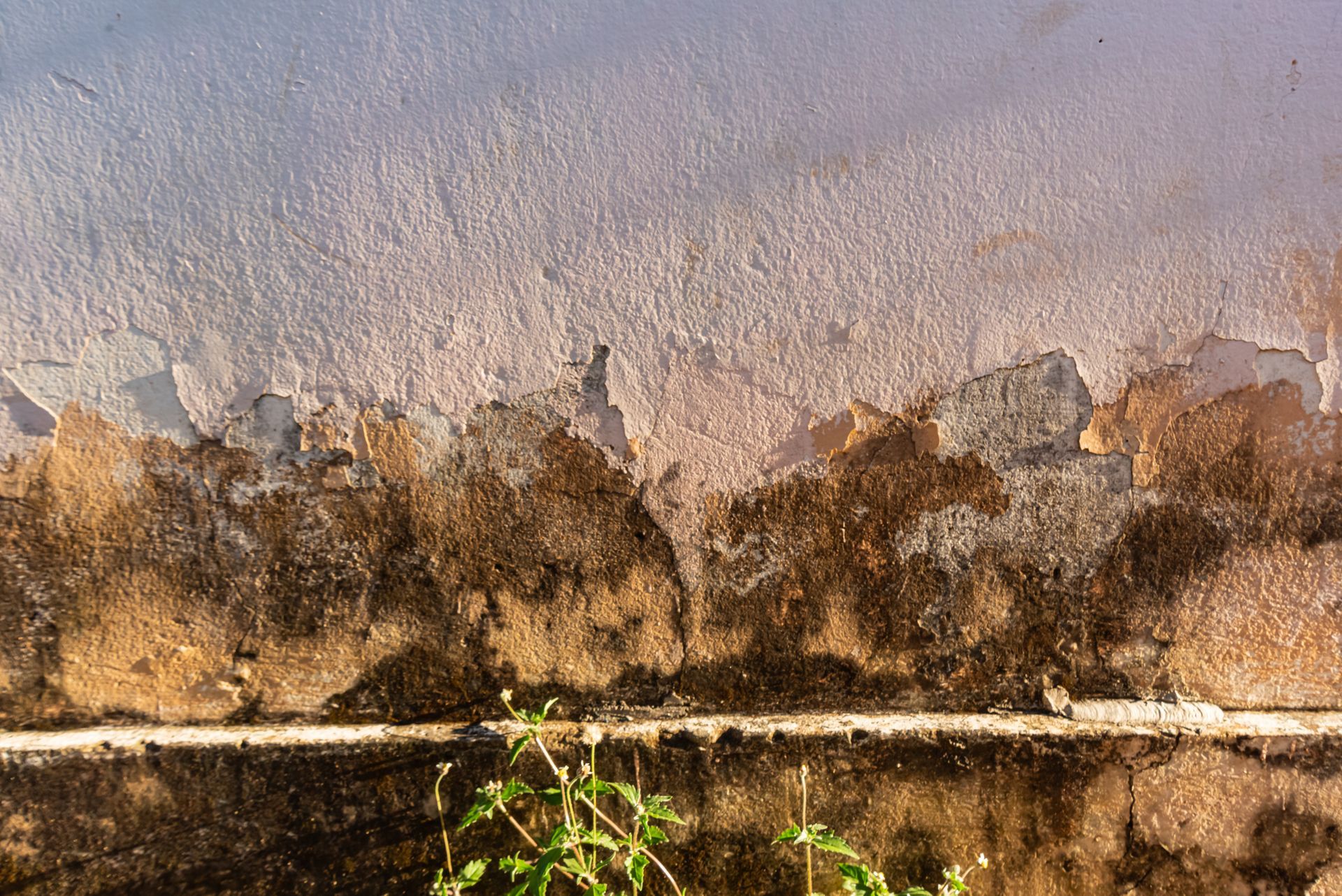
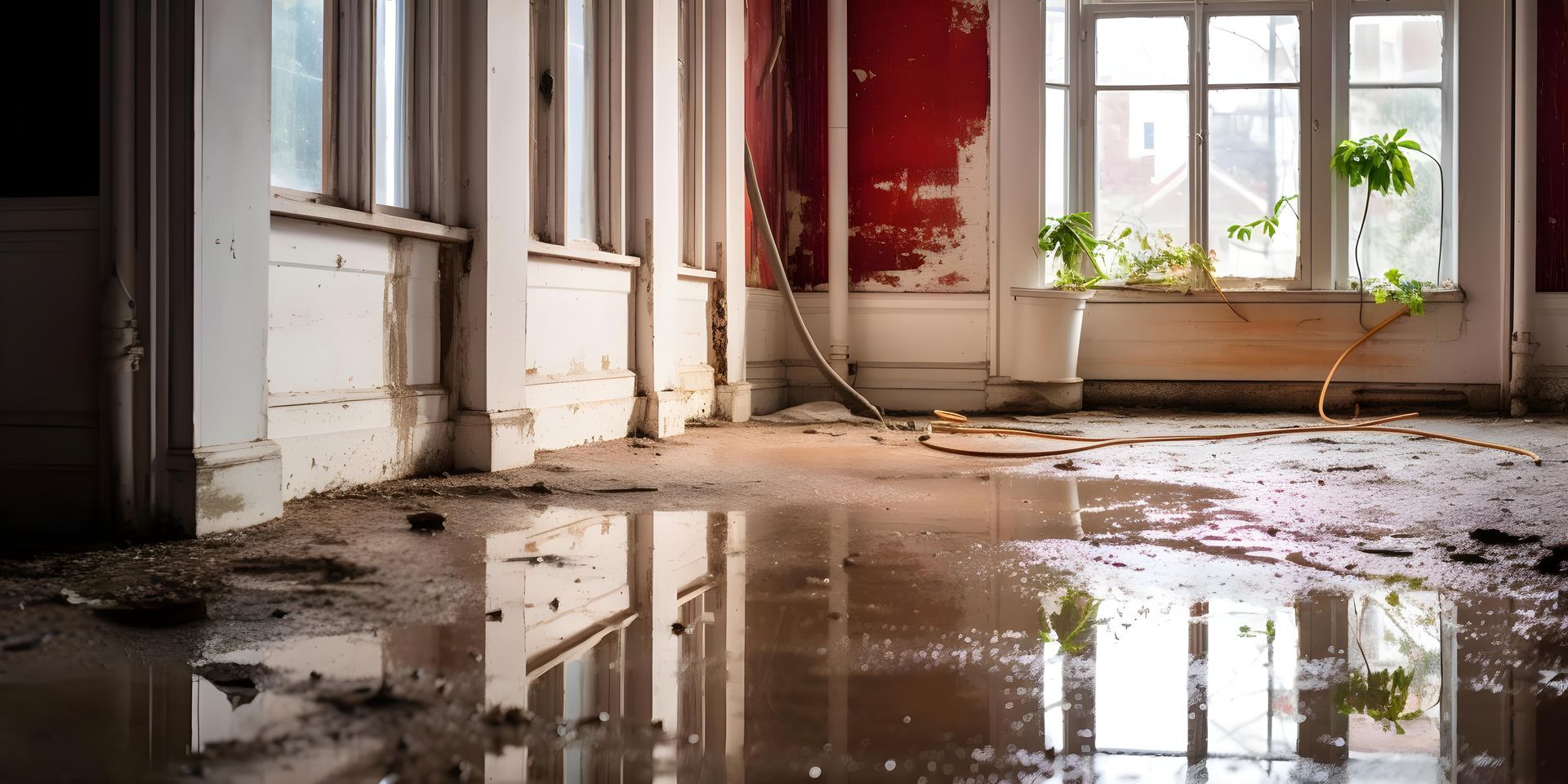
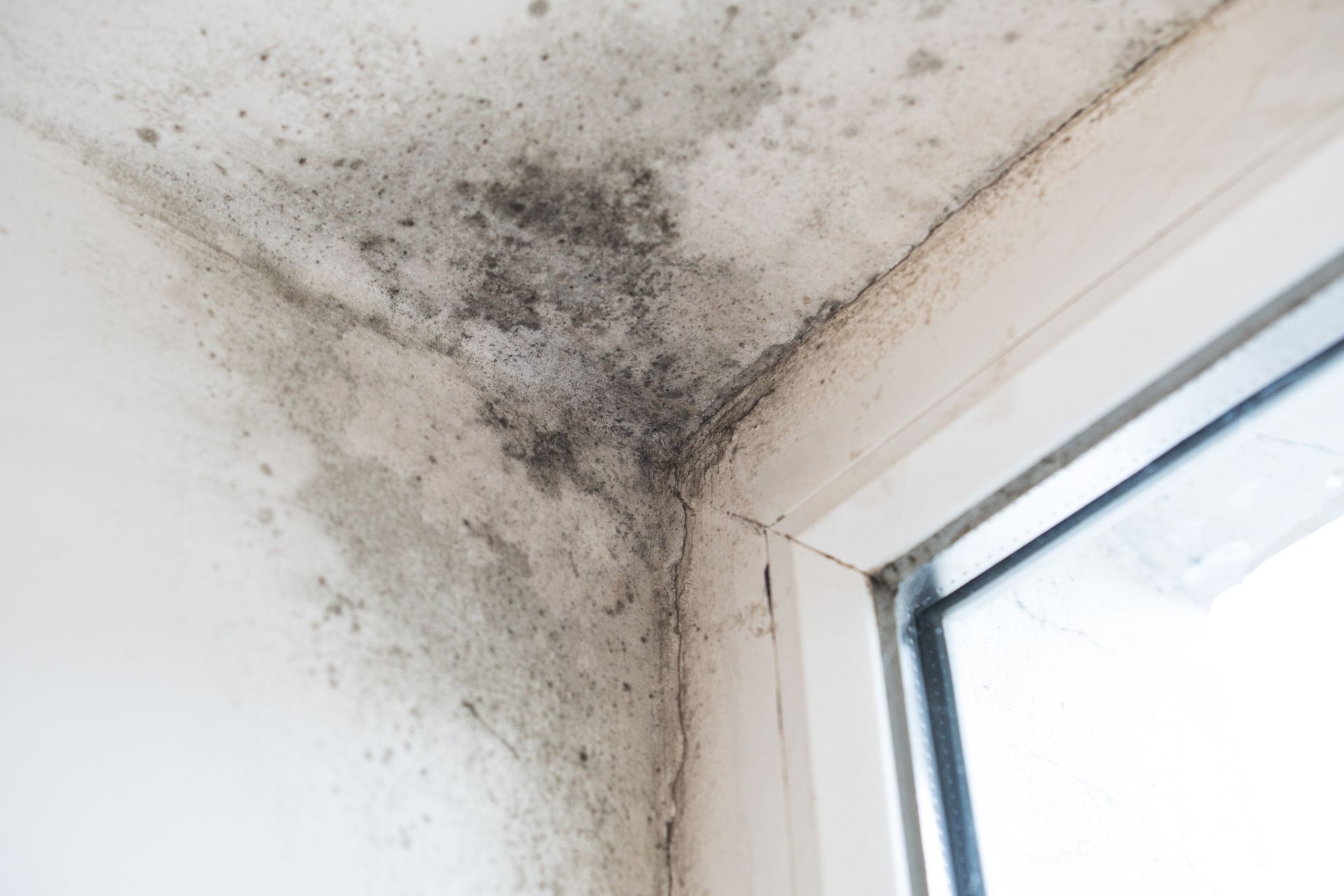
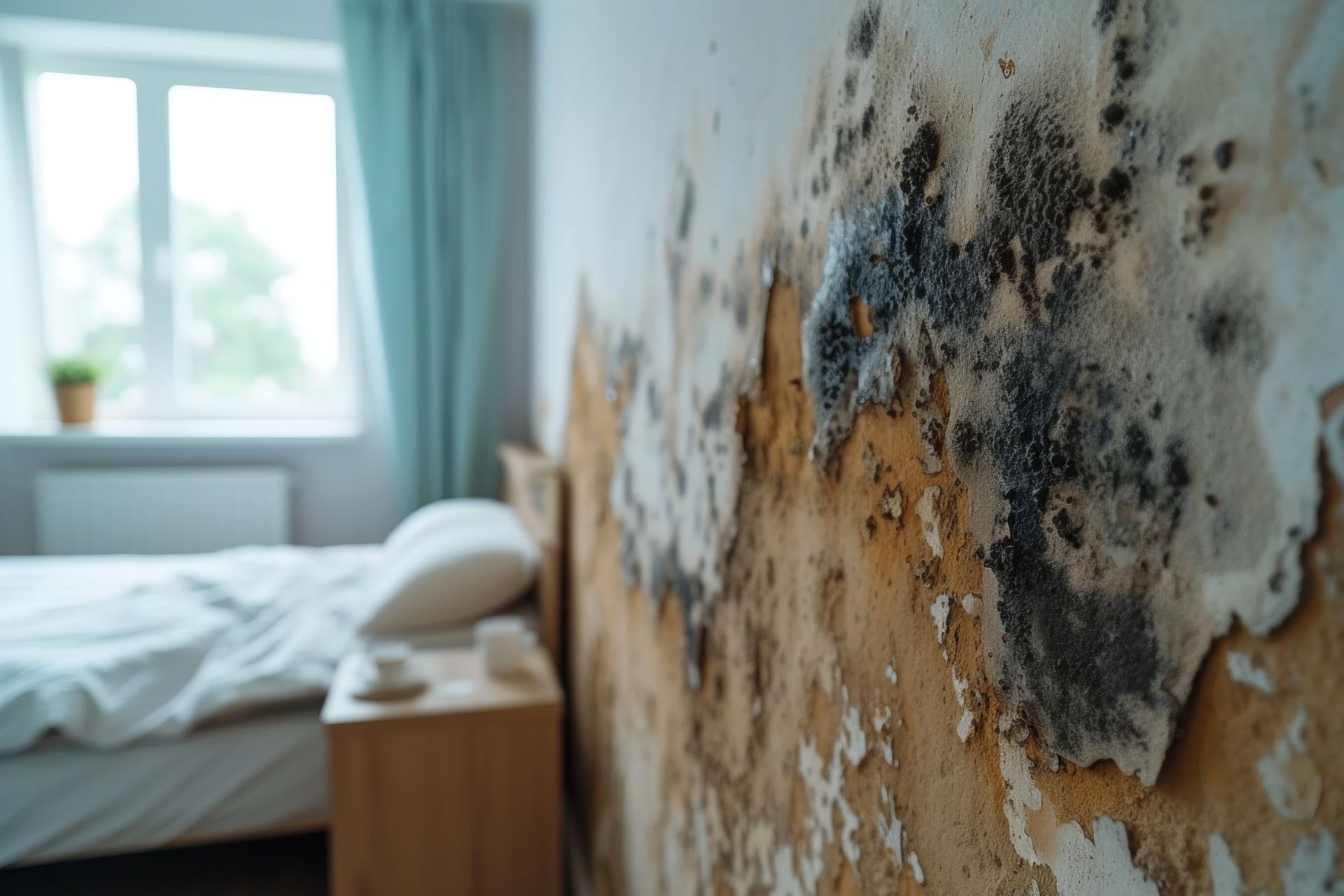
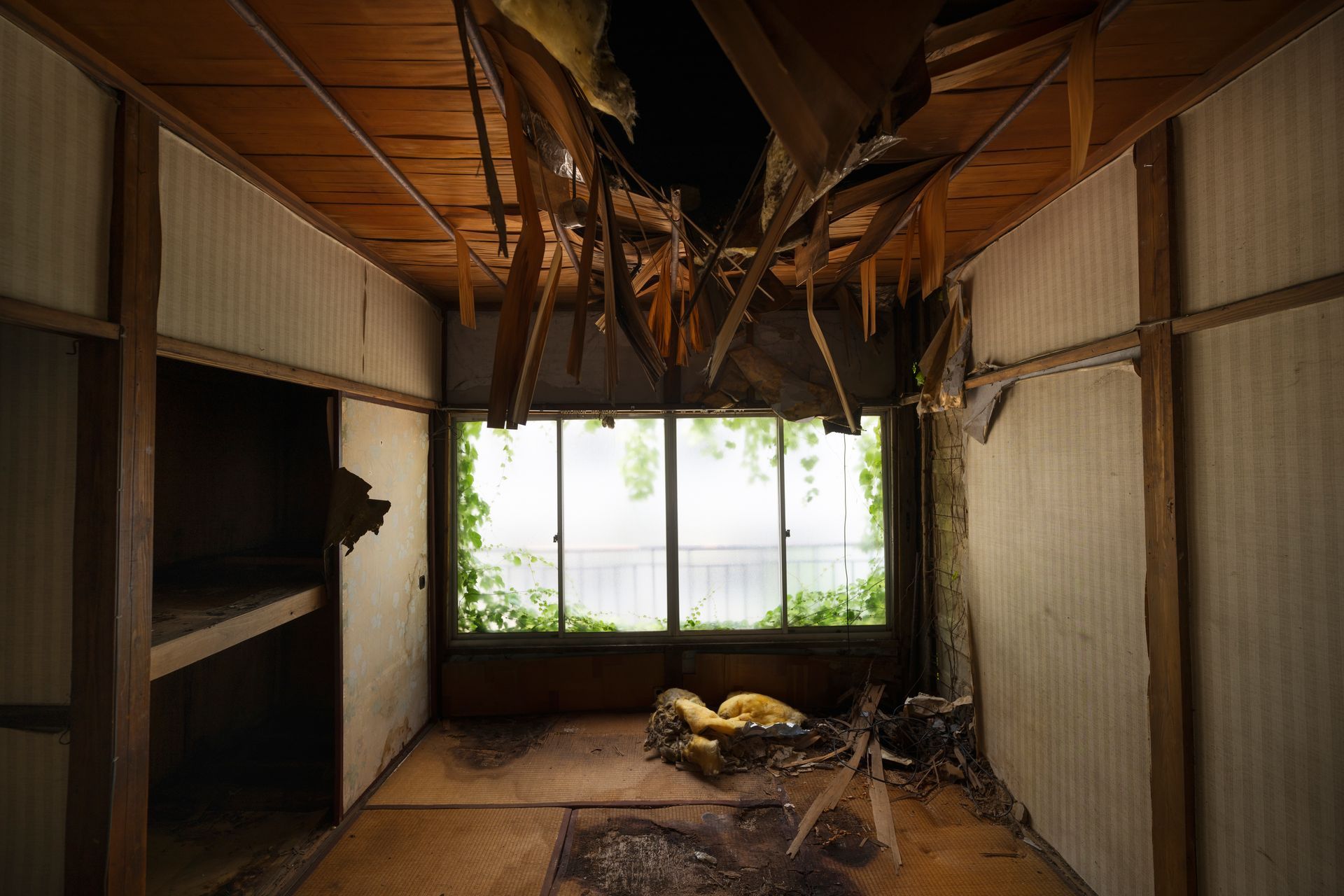
Water damage can start small—one supply line drip, a slow water heater leak, an overflowing toilet—but it rarely stays small for long. In a Sioux City home, moisture can travel under flooring, soak into drywall, and settle into insulation before you see obvious puddles. That’s why the first few hours matter. The faster you stop the source and begin proper drying, the more you can limit repairs, prevent odors, and avoid secondary issues like mold.
Step 1: Stop the water damage at the source (safely)
If the leak is coming from plumbing or an appliance, shut off the nearest valve or the home’s main water supply. If water damage is near outlets, lights, or appliances, treat the area like an electrical hazard—don’t step into standing water until power to the affected area is safely turned off.
Step 2: Reduce spread and protect contents
Water damage spreads laterally and downward fast. If it’s safe to do so, move furniture, rugs, and valuables out of the wet zone. Use towels or barriers at doorways to slow water migration into adjacent rooms. Buckets under active drips can help—but remember: these steps only limit surface damage. Hidden moisture is usually the bigger problem.
Step 3: Don’t assume “dry to the touch” means the water damage is gone
A room can look fine while moisture remains trapped beneath carpet padding, behind baseboards, and inside wall cavities. That trapped moisture is what leads to warping floors, swollen trim, and musty smells days later. Professional water damage restoration focuses on drying the structure completely—not just the surface.
Step 4: What professional water damage restoration should include
A thorough water damage plan often involves:
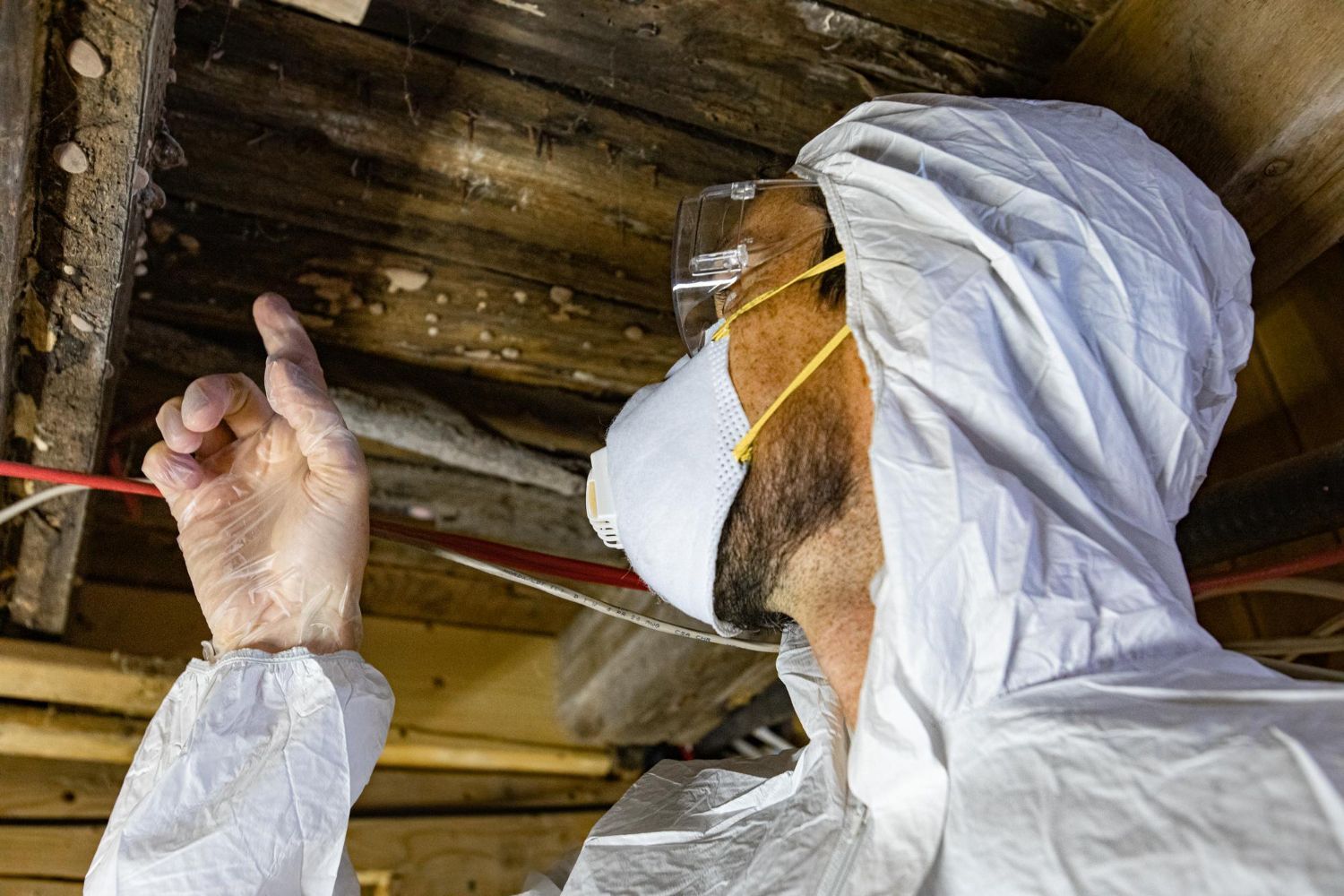
- Inspection + moisture mapping to find hidden wet areas
- Water extraction for standing water
- Commercial drying + dehumidification to remove moisture from materials and air
- Monitoring to confirm dry standards are met
- Sanitizing when needed (especially for sewer/drain incidents)
Restoration Siouxland highlights 24/7 emergency service for water damage and related issues, plus rapid response when emergencies happen.
Step 5: Flooded basement water damage needs a specialized approach
Basement water damage can be deceptively severe because water can saturate framing, insulation, and stored contents quickly. Restoration Siouxland’s flooded basement page emphasizes emergency response, inspection for hidden damage, extraction, drying/dehumidification, and prevention steps—along with working directly with insurance and being an IICRC certified firm.
Bottom line: If your water damage involves ceilings, walls, a basement, multiple rooms, or any sewer/drain situation, it’s usually smarter (and cheaper) to treat it as a structural drying job right away.